

Shamanism FAQ
Answers to common questions about shamanic practices and beliefs
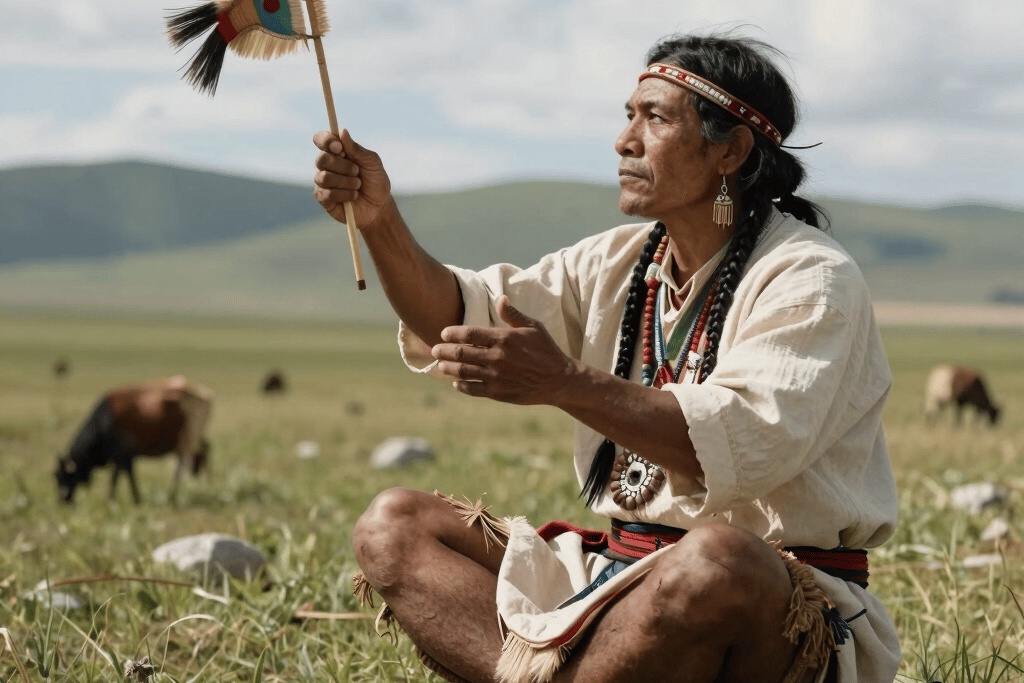
What is shamanism?
Shamanism is an ancient spiritual practice found in many cultures around the world.
At its core, it’s based on a few fundamental ideas:
A shamanic practitioner is a person (healer, guide, spiritual specialist) who acts as a bridge between the everyday world and the spirit world.
Spirits are real and influential; they can affect health, luck, weather, crops, and life events.
The practitioner can communicate with them, often through rituals, drums, songs, fasting, or medicinal plants that induce altered states of consciousness.
The goal is usually practical: healing the sick, guiding the dead, finding lost objects, or protecting the community.
Who can become a shamanic practitioner?
Anyone feeling a deep spiritual calling, ready to embark on a personal transformation journey and follow specific training, can become a practitioner of shamanism.
Traditionally, shamanism is not something you choose, it “chooses” you. Aspirants who receive the call often experience:
intense spiritual experiences, recurrent dreams or visions
a particular sensitivity to the invisible world
a strong connection to nature
healing abilities
a marked sense of empathy
This “choice” can happen in childhood, adulthood, or even after 50. What matters is being open to this calling and ready to follow it authentically.
Why should I see a shamanic practitioner?
You could see a shamanic practitioner if you're looking for spiritual guidance, emotional relief, or support during a transitional period. It can also help if you want to explore personal development, reconnect with yourself, or take part in a healing or ceremony in a guided setting.
Is shamanism a religion?
It's not a religion with a set scripture or hierarchy. It's more of a set of practices and a worldview that vary a lot depending on the culture, but they share this central idea: some people can travel between worlds, and this ability is used to help the community.
How do I know if I need to see a shamanic practi-tioner?
You might consider a consultation if you feel:
constantly unlucky
stuck
off balance
stressed
traumatized
searching for meaning and clarity.
Many people also reach out when they are going through a period of:
change
emotional fatigue
or when they want to explore a spiritual path.
What are the benefits of shamanism?
The benefits of shamanism are often described as:
improved emotional well-being
a better connection with oneself
a sense of clarity or calm.
Some people also turn to it for support during tough times, to release stress, or to strengthen their spiritual journey.
The effects vary a lot from person to person, and it’s not a substitute for medical or psychological care if needed.
What can I expect during a visit with a shamanic practitioner?
During a visit, you can expect a warm welcome, some time to talk about your needs, and then a session tailored to your intention. Depending on the context, this can take the form of a treatment, a ritual, or a ceremony, all in a calm, respectful, and reassuring atmosphere.
How does a shamanic practitioner communicate with spirits?
In shamanic traditions, this is often done through:
rituals
meditation
chants
drumming
breathing
the trance state.
The practitioner then interprets images, sensations, intuitions, or symbolic messages according to their tradition. These practices vary a lot from one culture to another and are part of a spiritual approach.